HENRY OLIVER’S BOOK TELLS US HOW WE CAN STAGE A SECOND ACT IN OUR OWN LIVES
Eventually, this post will get to a strong recommendation for Henry Oliver’s book, but first we have to clean up some Fitzgeraldiana related to second acts. Like many other besotted English majors of my and other generations, F Scott Fitzgerald ranked very high on my list of influences. All of his books, even his failed play, The Vegetable, biographies, notes, and letters: they all enveloped me in my twenties.
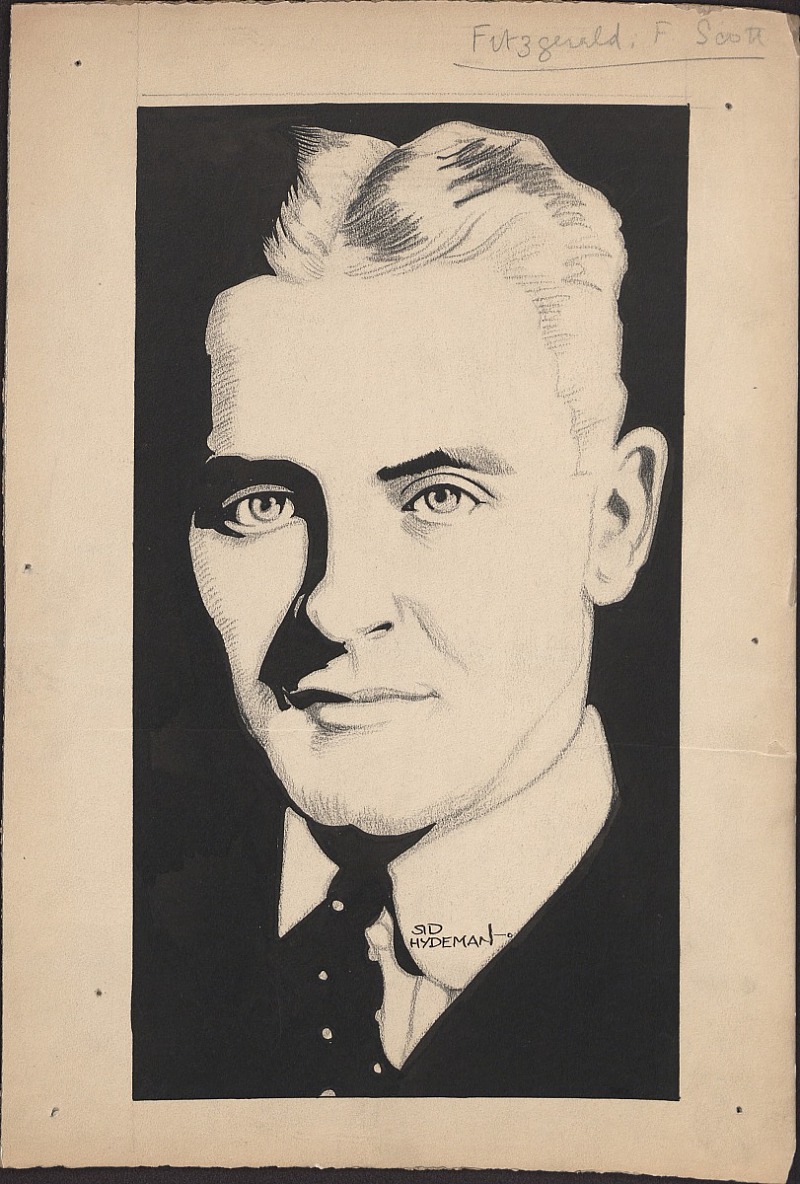
This affection may seem odd given that Scott was a severe alcoholic for much of his adult life and my big job in my own twenties was as an alcoholism counselor (starting fifty years ago this August) up in Saratoga County, New York. But his writing — The Crack-Up, The Lost Decade, On Booze — served as an antidote against the glamourous notion to which many addicted to alcohol subscribe. (In Saratoga, my clients ranged from wealthy Fortune 50 execs to poor residents out of the foothills of the Adirondacks, but even the latter understood the Fitzgerald stories.) I used verbatim one of his final notes — ‘ACTION IS CHARACTER’ — as a guidepost to help many of the people I counselled. Fitzgerald that line in block letters (underlining the first and last words several times each) in the unfinished manuscript for The Last Tycoon . The relevance for those in the early stages of recovery came from an awareness that what you said in pursuing that goal was a lot less important than what you did. And that meant a surveillance of every action undertaken: where you went, who you saw, what you did. Fitzgerald was sober when he was writing that last book and many believe The Last Tycoon would have signaled the start of a second act for him. Tragically, shortly after making those marks on the page, he died of a massive heart attack. They say he was eating a chocolate bar, which is one of the most early recovering alcoholic things ever, God bless him.
That Fitzgeraldian immersion failed to stop me from misunderstanding for years one of the most cited quotations of the great novelist: “there are no second acts in American lives.” The problem for me (and according to this article many other people) is that we didn’t register the entire quote or its context. The full line from Fitzgerald’s 1932 ‘My Lost City’ essay actually seems to vouch for the presence of second acts in life and admit to the author’s discarding a previous assumption: “I once thought that there were no second acts in American lives, but there was certainly to be a second act to New York’s boom days.”
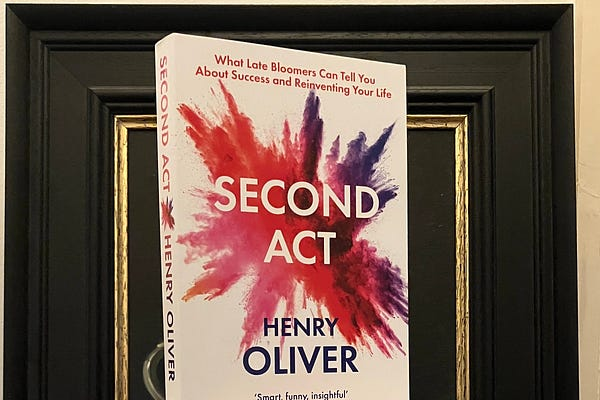
The line hit at me again while reading Henry Oliver’s instructive and inspiring book, Second Act What Late Bloomers Can Tell You About Reinventing Your Life. Reinvention is not a new subject for me; seven years ago I posted some notes on the process gained from my own zigzaggy line of ‘straight jobs’ as well as the observations and consultations with others who were making real the reimagining of their occupations. In the spirit of this Testing: A Personal History blog and Substack, reinvention is testing yourself in the most immediate and consequential fashion. Henry Oliver takes a broad and rich look at this phenomenon with insights and eloquence that prompts me to recommend the book very highly.
Of course, being 74 years old and out of my last straight job six years ago at the end of this month, the subject of second acts is inescapable. Our 8th play in this ‘act’, Retrospective will get its UK premiere at Barons Court Theater in London this May and Chasing the Dead: Amateur Adventures in Genealogy bustles along as a Substack exploring the findings and foibles of digging through the roots of family.
Oliver looks at people like Katherine Graham, Frank Lloyd Wright, Audrey Sutherland, Samuel Johnson, and even Margaret Thatcher. (It’s a tribute to what Oliver has written here that the inclusion of the Iron Lady was not a deal breaker for me.)
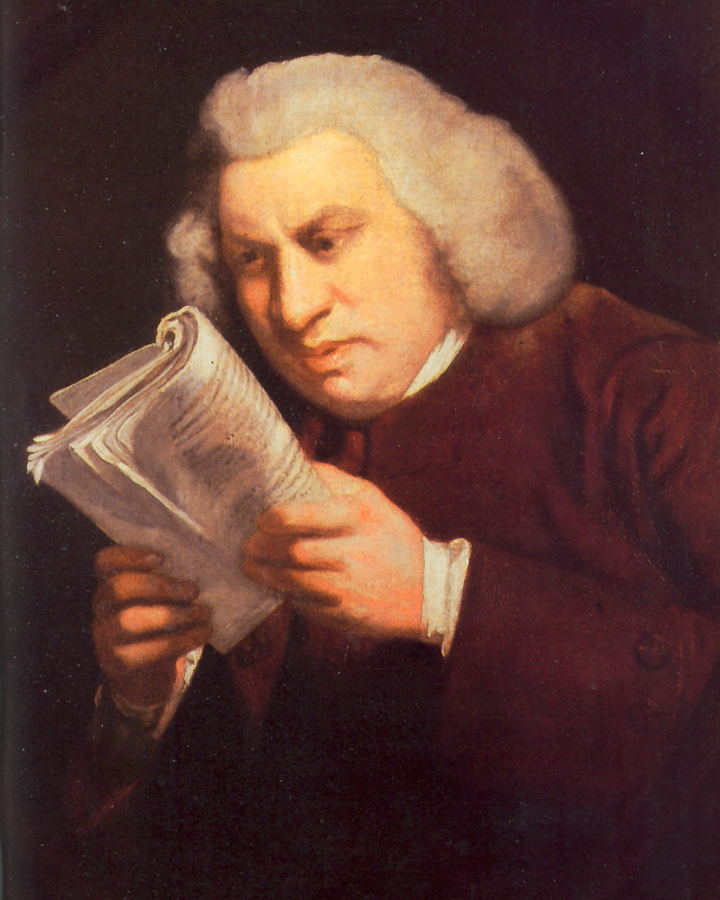
Henry had me from the introduction in his book with his definition of a late bloomer as ‘someone who succeeds when no one expects them to’. That’s such an important characteristic because those negative perceptions actually can help those of us who have a constitutional need to prove others wrong. (Guilty as charged.) Other ways in which Oliver described this category were that they “tend to be smart (which doesn’t have to mean successful at school), self-educating and self-directing, they followed their own interests and take lifelong education seriously. They never stopped teaching themselves; Often, they set their own agenda. One early sign of a late bloomer is often earnestness, which can be off putting to many people. Another thing that characterizes many late bloomers is a period of withdrawal for reflection.”
Reading this passage did you have the sensation that your own life was being described? I did. My life has had more acts then a Shakespearean history play from teaching in a reform school to becoming the Chief Learning officer at ETS when I had just turned 50 years old. So, it registered that Oliver thinks what’s needed to be a late bloomer is to be prepared for luck, networked, resilient, persistent, energetic. It doesn’t hurt to have the advantages of natural intelligence and maybe some other resources or what people might call privilege in some cases. But that’s not true across the board. There are lots of second acts that started out in tough circumstances. A willingness to admit failure and to admit mistakes seems important too. But what seems most essential to having that second act is believing that you should have one.
But I don’t have to look so far to find second acts. by no means exhaustive (other second act exemplars, please tell your story in a comment), consider this list of friends and former colleagues:
- Gene Bouie Was one of the first people I met at ETS in 2001 and we collaborated on a lot of projects inside that organization. Now he’s authored a book— A City Worth Fighting For: Strategies to Lift Trenton and Its People —that combines his passion for the people of his adopted hometown with the wisdom acquired from his’ first act’ jobs. (Come to think of it. Writing this book might be the 4th or 5th or 6th act for my dear friend Gene.)
- Steve Sieck moonlighted as the music director for our early 1980s show Captive Audience while working his straight job as an influential strategy consultant and market research professional. But now he’s an accomplished songwriter who has managed to put together a brilliant album of his own works, Crazy That Way and performs regularly in the Los Angeles area with a network of superb artists.
- Irv Katz boasts 2831 citations according to Google Scholar on subjects ranging from Testing information literacy in digital environments to Authoring conversation-based assessment scenarios. His second act is writing a brilliant management book (and I don’t say that very often) Rules for Reluctant Managers.
- Lenore Skomal went from a career as an award-winning columnist for the Connecticut Post to writing novels and biographies and then plays and now is cofounder of the Broadway Bound Theatre Festival.
- Ida Lawrence after her long career leading the largest and most important psychometric organization in the world to now imparting to citizens aspects of Education in America: Challenges Ahead
- Joe Raelin, My old friend and colleague, might not classify what he is doing today as a reinvention but if you go back to his earliest work of workplace learning he continues to reinvent our concepts of what leadership could be within organizations. He may be emeritus but he ain’t done yet.
- Linda Tyler , another colleague as a Vice President at Educational Testing Service, moved to Portland and started Gracious Vegan, “an all-inclusive place for anyone to enjoy great-tasting vegan cooking.”

Hans Sandberg progressed from careers as a journalist and corporate communication expert to novelist and fascinating Substack author. His Substack publications include:
- The Nordic Link: A Substack for occasional reflections.
- A Swede on the Hippie Trail (1974): Features excerpts and stories from his overland journey from Stockholm to Delhi in 1974.
- I’m Adding Sunshine to My Paint – Harald Sandberg’s Path: Likely a publication related to his father the artist Harald Sandberg, as excerpts are found here.

- Marc Silver who literally wrote the book on interface design now dazzles us regularly with his wildlife photography including this prize-winning entry of a short-eared owl seen above
- I read in their holiday card that Steve Lazer is teaching kids tennis “Steve Lazer” tennis program cape may and Terry Sanchez-Lazer started her second act as a master gardener earlier than many of us and it has bloomed. (Couldn’t resist)
- Ed Altman’s straight jobs early in his life impress mightily: Vice President, Senior Project Manager, Global Project Management. And then he walked away from that world back to his passion: acting. Now he’s making movies like Top Hate and The Dummy Detective as well as dazzling in three Knowledge Workings Theater productions. We don’t favor actual second acts in most of our plays, but Ed’s second act is powerful and hard-earned
- The same could be said to one of my favorite actresses in the Off-Broadway world, the delightful and very game Lucy McMichael. I don’t know what number act this is for Lucy, but she keeps on reinventing herself winning recently the 2024 Adam Hocherman Award for Excellence in Improv.
- Eddie Schroback, who I first met when we were 13 years old is killing it in his second act as “the oldest comic and only Vietnam veteran doing stand-up comedy in the Denver area.”
- My own life partner, Marjorie Phillips Elliott, became an executive producer of theatre seven years ago after being Chair of the Chamiza Foundation and on the Members Committee of Washington DC’s Phillips Collection. (And I’m enormously grateful for that second act of hers, without which my current one could not have happened)
Once I shifted into the business and management phases of my straight jobs, the self-taught aspect of a ‘second acter’ played a big role in my success. One of the most influential sources of that autodidactic grazing in libraries was the great management theorist, Peter Drucker. One of his quotes has stayed with me and remains relevant today:
If you talk of fifty years of working life… you have to reinvent yourself. You have to make something different out of yourself…
Henry Oliver’s book offers a guide and a goad for that reinvention. The curtains are rising, the lights shine, the audience awaits; your second act is ready to start.
Check out our other Substack: Chasing the Dead – Amateur Adventures in Genealogy. Chapter 13X with dead people trolling me just dropped at this link